

The desire to have a child fills many people with hope—but when a pregnancy doesn’t happen despite all efforts, it can be stressful and frustrating. This often raises the question of why conception seems to happen easily in some months, while it doesn’t in others. In fact, the body’s fertility fluctuates from cycle to cycle. Various biological, hormonal, and emotional factors influence how receptive the body is to pregnancy in a given month.
What does “biologically infertile” mean?
A biologically infertile month does not necessarily mean that pregnancy is impossible. Rather, the body is in a phase where the conditions for conception or implantation are less favorable. Such changes are usually temporary and can have various causes. Typical signs include delayed or absent ovulation, hormonal fluctuations, high stress, or a uterine lining that does not optimally support the implantation of a fertilized egg. Physical strain or illness can also cause the body to temporarily scale back its reproductive functions.
The Central Role of Ovulation
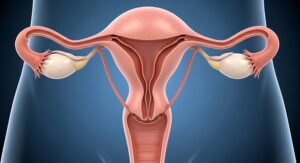
Ovulation is a prerequisite for a natural pregnancy. During ovulation, an egg is released from the ovary. If ovulation does not occur, conception is biologically impossible. In some months, ovulation may be delayed or may not occur at all. Stress, travel, lack of sleep, or hormonal changes can cause the egg to be released late or to be of lower quality. In addition, there are so-called anovulatory cycles—during which bleeding occurs, but without actual ovulation. These cycles appear outwardly like normal menstrual periods but are not fertile.
Hormones Regulate Fertility
The female cycle is regulated by a delicate interplay of various hormones. Even small changes can affect fertility. Estrogen ensures that the uterine lining builds up. The hormones LH and FSH trigger ovulation, while progesterone supports the implantation of the fertilized egg. If progesterone levels are too low in particular, the uterine lining cannot prepare adequately—making pregnancy more difficult.
Stress as an Underestimated Factor
Psychological stress has a direct impact on fertility. During stressful periods, the body produces increased levels of the stress hormone cortisol. Persistently elevated cortisol levels can disrupt the balance of reproductive hormones and delay or suppress ovulation. Emotional stress, work-related pressure, anxiety, or exhaustion can therefore make certain months biologically less favorable for conception. The body often responds to such situations with a kind of protective mechanism.
Illnesses and Inflammation Affect the Cycle
Health problems can also temporarily impair fertility. Viral infections, chronic inflammation, autoimmune diseases, or digestive disorders place a strain on the body and often affect hormonal balance. During such phases, both the quality of ovulation and the receptivity of the uterus often deteriorate. The body then focuses more on stabilizing its health than on reproductive processes.
Diet and Lifestyle Play an Important Role

A balanced diet is crucial for the functioning of the reproductive system. A deficiency in iron, zinc, or vitamin D can impair the quality of ovulation. Significant weight loss or an unbalanced diet can also cause the body to be temporarily less receptive to pregnancy. Equally important are adequate hydration, regular exercise, and a stable daily routine. The body needs sufficient energy and nutrients to optimally regulate hormonal processes.
Can the Seasons Affect Fertility?
In fact, seasonal changes can also affect the menstrual cycle. Less sunlight during the darker months influences the production of melatonin and other hormones associated with the reproductive system. For some people, this can lead to delayed ovulation. Extreme heat, dehydration, or physical stress caused by high temperatures can also impair sperm viability and the quality of ovulation.
Sleep and Emotional Well-Being
Lack of sleep and irregular sleep schedules also affect hormonal balance. Night shifts, jet lag, or chronically poor sleep can shift the timing of ovulation and throw the cycle out of balance. Furthermore, emotional health plays a significant role. Feelings such as anxiety, insecurity, or emotional burnout influence the hormonal regulation of fertility. The body reacts sensitively to emotional stress and often postpones reproductive processes until more stable periods.
Why Fertility Can Improve Again
The good news is: biologically unfavorable months are usually not permanent. As soon as stress decreases, sleep and nutrition improve, or hormonal balance stabilizes, fertile windows often open up again. Many pregnancies therefore occur months later—often precisely when the body and mind are in a more stable state.
When to Seek Medical Advice

If pregnancy does not occur for an extended period, medical advice should be sought. This is particularly recommended in cases of irregular cycles, severe pain, or if pregnancy does not occur despite regular attempts over a period of twelve months. For women over 35, a medical evaluation is often recommended after just six months. A medical examination can help identify hormonal causes, metabolic disorders, or other health factors at an early stage.
How to Support Fertile Months
Certain lifestyle habits can positively influence fertility. These include getting enough sleep, eating a nutrient-rich diet, exercising regularly, and consciously reducing stress through relaxation exercises or breathing techniques. Emotional support is just as important—whether from a partner, family, or professional counseling. Tracking your cycle and monitoring ovulation can also help you better identify fertile windows.
The Emotional Strain of Infertile Months
Unsuccessful cycles take a heavy emotional toll on many people. Feelings of frustration, guilt, or disappointment can affect self-esteem and the relationship. That’s why open communication is especially important. Talking with your partner or trusted individuals can help prevent emotional distance and allow you to face these challenges together. After all, fertility isn’t a static state, but rather a complex interplay of the body, hormones, health, and emotional well-being.
You may also be interested in...
-

A newly developed fertility treatment involving blood plasma could mean the possibility of pregnancy for…
-
When a couple is trying to conceive, they often expect to see a positive test…
-
When it comes to trying to conceive, a variety of factors can put added stress…