

Many women who are trying to conceive or undergoing fertility treatment experience ongoing stress. Appointments, test results, waiting periods, and uncertainty can create emotional pressure that is difficult to escape. Although stress often seems like an emotional challenge, it also triggers physical changes in the body that can affect the course of early pregnancy. Stress increases the release of cortisol, the body’s primary stress hormone. If cortisol levels remain high, this can disrupt hormonal balance, affect the receptivity of the uterus, and impact immune responses—all factors that play a role in successful implantation. But how exactly does emotional stress lead to biological changes that influence whether an embryo implants?
What is Cortisol and Why is it Important?
Cortisol is a hormone released by the adrenal glands in response to stress. It helps regulate important functions such as blood sugar levels, blood pressure, metabolism, and the immune response. In everyday life, cortisol plays a helpful role. It promotes alertness in the morning, helps the body cope with short-term challenges, and maintains balance during physical or emotional stress. The body releases cortisol in small, controlled amounts to ensure these systems function smoothly.

Problems arise when stress becomes chronic and cortisol levels remain elevated over an extended period. Persistent stress keeps the body in a state of alert, which can disrupt normal hormonal balance. High cortisol levels can interfere with reproductive hormones, exacerbate inflammation, and impair communication between different organs. During early pregnancy or fertility treatment, this persistent hormonal imbalance can affect processes such as implantation.
How Stress Affects Implantation Success
Implantation depends on precise coordination between hormones, blood flow, immune balance, and the uterine lining. During prolonged stress, the body continuously releases cortisol, and this sustained response can directly impair the conditions necessary for implantation.
Hormonal Imbalance
High cortisol levels directly affect the hormonal regulation of the female cycle. Chronic stress disrupts communication between the hypothalamus, pituitary gland, and ovaries—the very system that regulates ovulation and hormone production. Progesterone and estrogen are particularly affected, as they are crucial for the development and maturation of the uterine lining.
After ovulation, progesterone ensures that the lining thickens, receives increased blood flow, and stores nutrients so that the embryo can implant. At the same time, estrogen regulates cell division and prepares the lining for the implantation window. If cortisol levels remain persistently elevated, the effect of progesterone can be weakened. Furthermore, stress can influence the release of LH and FSH—hormones necessary for ovulation and corpus luteum function.
As a result, the uterine lining may develop with a delay or fail to become sufficiently receptive. The implantation window may shift or remain open for only a very short time. Even if a healthy embryo is present, it may then have difficulty attaching or may fail to establish a stable connection to the uterus. Furthermore, studies show that chronic stress impairs sleep quality and affects melatonin levels. Melatonin not only plays a role in sleep but also acts as an antioxidant and supports hormonal processes in the reproductive system. A disrupted sleep-wake cycle can therefore also indirectly impair hormonal balance and the ability to implant.
Reduced Blood Flow to the Uterus
Stress activates the sympathetic nervous system—the so-called fight-or-flight response. In this process, the body temporarily prioritizes vital organs and muscle groups needed for a rapid response. Blood vessels in less acutely important areas may constrict, thereby reducing blood flow to the uterus.
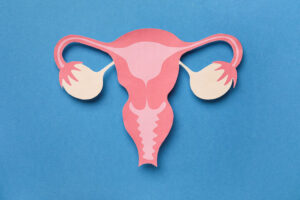
However, stable and sufficient blood flow to the uterine lining is essential for successful implantation. The lining requires oxygen, nutrients, growth factors, and hormonal signals so that the embryo can implant and continue to develop. Reduced uterine blood flow can cause the lining to remain thinner or alter its structure. The formation of new blood vessels—a process called angiogenesis—also plays an important role in early pregnancy. Stress hormones can influence this vascular formation, thereby hindering the supply of nutrients to the embryo in the first few days after implantation.
Furthermore, chronic stress often increases muscle tension and inflammatory processes in the body. Some researchers suspect that this may additionally impair blood flow in the pelvic region. This effect could be particularly pronounced in women with pre-existing conditions such as endometriosis, adenomyosis, or circulatory disorders.
Changes in the Immune System
For implantation to occur, the immune system must achieve an extraordinary balance: it must accept the embryo, even though it is genetically “foreign” in part, while simultaneously continuing to protect the body from infections. This immunological adaptation process is extremely sensitive.
Chronic stress alters the activity of numerous immune cells and inflammatory mediators. Under conditions of persistently elevated cortisol, certain immune responses can become unbalanced. Particularly affected are so-called natural killer cells (NK cells), regulatory T cells, and pro-inflammatory cytokines. In a healthy state, regulatory immune cells support implantation by creating a tolerant environment. Chronic stress, however, can intensify inflammatory processes and increase the number of pro-inflammatory messengers. This may create an environment that is less receptive to the embryo.
Some studies suggest that increased stress levels may be associated with higher inflammation markers and lower success rates in fertility treatments. The balance between pro-inflammatory and anti-inflammatory signals appears to be particularly crucial during the early implantation phase. In addition, stress influences the gut-brain-immune system axis. Changes in the gut flora that can occur with chronic stress are also suspected of promoting inflammatory processes in the body. Since the immune system is closely linked to reproductive function, these mechanisms could also indirectly influence implantation.
Effects on the Uterine Environment
The endometrium is far more than just a passive surface. During the implantation window, it produces a variety of specialized molecules, growth factors, and signaling substances that help the embryo implant. These include adhesion molecules, cytokines, integrins, and other proteins that facilitate communication between the embryo and the uterus. Chronic stress and elevated cortisol levels can alter the expression of these molecules. As a result, the uterine lining may produce fewer of the signals necessary for the embryo to attach and penetrate. This hinders communication between the embryo and the endometrium.
In addition, oxidative stress may increase. Chronic stress leads to an increased production of free radicals, which can damage cells. Normally, the uterus has antioxidant defense mechanisms, but prolonged stress can disrupt this balance. Oxidative stress is associated with reduced endometrial receptivity and can negatively affect the quality of the endometrial cells.
The so-called “receptivity” of the uterine lining can also be disrupted. This refers to the endometrium’s ability to recognize and accept the embryo in the first place. Even small changes in the molecular environment can cause the timing between embryonic development and the implantation window to no longer align optimally.
Ways to Support Implantation
Supporting implantation involves promoting emotional and physical well-being. While medical treatments address biological factors, patients can also take thoughtful, evidence-based steps during this sensitive phase to create a supportive internal environment.
Acknowledging Emotional Stress Without Guilt
Many women experience intense feelings such as anxiety, sadness, frustration, insecurity, or emotional exhaustion while trying to conceive. Especially after long periods of trying to conceive, miscarriages, or unsuccessful treatments, enormous internal pressure often arises. Added to this is often the worry that stress itself could be the cause of failed pregnancies. It is precisely this thought that can create additional emotional stress.
That is why it is important to understand that stress is a normal human reaction to stressful situations and does not represent a personal failure. Suppressing emotions or feeling compelled to constantly “think positively” often further increases inner tension. Studies in psychoneuroimmunology show that consciously acknowledging and accepting feelings is more likely to regulate the body’s stress response in the long term than persistent emotional suppression. When women allow themselves to accept their feelings without guilt or self-reproach, internal pressure often decreases. This can have a positive effect on sleep, the nervous system, and hormonal regulation. A sense of control and self-compassion also frequently improves, which can strengthen emotional resilience during the implantation phase.

The following can be helpful:
- Talking with trusted individuals
- Keeping a journal
- Emotional self-reflection
- Creative forms of expression
- Conscious rest periods without pressure to perform
It is important to recognize that emotional stress does not automatically prevent implantation. Many women become pregnant despite stress. The goal, therefore, is not perfection, but rather treating oneself as supportively as possible.
Seeking Psychological or Counseling Support
For many affected individuals, the inability to conceive is one of the most emotionally taxing phases of life. Repeated disappointments, medical appointments, hormonal treatments, and the uncertainty of the waiting period can place a significant strain on mental well-being. Professional psychological support can help you better cope with this stress. Psychological counseling or fertility coaching offers a safe space where fears, worries, and expectations can be openly discussed. Therapeutic support helps with:
- recognizing stressful thought patterns,
- reducing fears of failure,
- coping with emotional overload,
- alleviating relationship conflicts,
- and developing individual coping strategies.
This can be particularly helpful during the so-called “two-week wait”—the emotionally taxing period between ovulation or embryo transfer and the pregnancy test. Many women experience intense tension, rumination, and a sense of loss of control during this phase. Studies show that psychological support can reduce perceived stress levels and improve quality of life during fertility treatments. Some research also suggests that reduced stress levels may indirectly have positive effects on sleep, inflammatory processes, and hormonal regulation. Group programs or support groups can also be helpful. Talking with others going through similar experiences often conveys the feeling that you are not alone with your worries. This can reduce emotional isolation and strengthen a sense of security.
Practice Regular Relaxation Techniques
Relaxation techniques help the body emerge from a state of chronic stress and regulate the autonomic nervous system. Under chronic stress, the sympathetic nervous system—the part of the nervous system that puts the body on high alert—often dominates. Relaxation techniques, on the other hand, activate the parasympathetic nervous system, which supports regeneration, digestion, sleep, and hormonal stability. Regular relaxation exercises can:
- lower cortisol levels,
- reduce heart rate and muscle tension,
- improve sleep quality,
- promote emotional stability,
- and enhance overall well-being.
Methods that consciously incorporate breathing and body awareness are particularly helpful. Deep, slow abdominal breathing signals safety to the nervous system and can have a calming effect within minutes. Even short daily breathing exercises can help guide the body out of a state of constant vigilance. Mindfulness exercises and meditation also train the ability to notice thoughts and worries without letting them completely take over. Studies show that regular meditation can influence the activity of stress-associated brain regions and promote emotional resilience. The following methods are also frequently used as supportive measures:

- Progressive muscle relaxation
- Yoga with gentle movements
- Guided meditations
- Body scan exercises
- Light walks in nature
- Soothing music or sound therapy
The goal is not to avoid stress entirely. Rather, the key is to regularly allow the body phases of safety, calm, and rest. In the long term, this can help stabilize hormonal and immunological processes that are also important during the implantation phase.
Supporting the Body in Daily Life
In addition to targeted relaxation techniques, a generally supportive lifestyle can also promote physical balance. These include:
- sufficient sleep,
- regular meals,
- stable blood sugar levels,
- moderate exercise,
- adequate fluid intake,
- as well as minimizing alcohol and nicotine consumption as much as possible.
Sleep plays a particularly important role here, as numerous hormonal regulatory processes take place during the night. Chronic sleep deprivation can increase cortisol levels and exacerbate inflammatory processes. A stable sleep rhythm therefore supports not only recovery but also hormonal stability. Moderate exercise such as walking, light yoga, or gentle strength training can additionally improve blood circulation, reduce stress, and promote general well-being. Extreme physical exertion, however, should be individually coordinated with medical professionals during intensive fertility treatment phases.
You may also be interested in...
-

When a couple is trying to conceive and fails multiple times, the experience can cause…
-
If you have repeatedly tried and have had no luck in conceiving a child, you…
-