

Many people consider summer to be the most beautiful time of the year. Sunny days, balmy evenings, and the vacation season invite us to enjoy life outdoors. At the same time, high temperatures pose particular challenges for the body. The circulatory system, fluid balance, and metabolism must adapt to the heat so that body temperature remains as constant as possible. For couples hoping to conceive, this often raises the question of whether heat can also affect fertility and whether special precautions are advisable during a heat wave.
In fact, scientists have been studying the connection between high temperatures and reproduction for many years. The findings paint a nuanced picture: While female fertility is only indirectly affected by summer heat, male sperm cells are significantly more sensitive to heat. However, this by no means means that a hot summer will ruin your chances of conceiving. Rather, it’s worth understanding the processes taking place in the body and how the stress caused by heat can be reduced with simple measures.
Why the Body Reacts So Sensitively to Heat
The human body functions optimally at a core body temperature of about 37 degrees Celsius. Even slight deviations trigger complex regulatory mechanisms. Blood vessels dilate, blood flow to the skin increases, and the body attempts to release excess heat through sweating. While this process is extremely effective, it consumes energy and leads to increased loss of water and minerals.

While healthy people can usually cope well with short-term heat, prolonged exposure to heat places stress on the entire body. Sleep quality, concentration, and physical performance can suffer as a result. At the same time, increased levels of stress hormones are released, which affect numerous metabolic processes. This is why it’s especially important for couples trying to conceive to support their bodies as best as possible during this time.
Male Fertility is Particularly Sensitive to Heat
It is no coincidence that the testicles are located outside the body. Sperm production functions optimally only when their temperature is about two to four degrees below normal body temperature. For this reason, the body has various mechanisms to keep the testicles as cool as possible. Muscles pull them closer to the body when it’s cold and allow them to hang lower when it’s warm, so that excess heat can be dissipated more effectively.
If the temperature of the testicles rises over an extended period, this can impair the formation of new sperm. Studies show that both the count and motility of sperm cells can temporarily decline. Changes in sperm shape or increased susceptibility of the genetic material to oxidative stress have also been reported.

It is important to note that these changes do not become apparent immediately. The development of a sperm cell takes approximately two and a half to three months. Heat to which a man is exposed today may therefore only be reflected in a semen analysis many weeks later. Conversely, this also means that sperm quality often recovers once the stressor is removed.
It’s not just summer outdoor temperatures that play a role here. Regular sauna visits, very hot baths, extended stays in a hot tub, or consistently working with a laptop on one’s lap can also raise the temperature in the testicular region. Other factors include tight clothing, prolonged sitting, or occupations in which people are exposed to intense heat for many hours. None of these situations automatically leads to infertility. Nevertheless, it may be advisable to minimize unnecessary heat exposure as much as possible while trying to conceive.
Women React Differently to High Temperatures
While male fertility depends directly on testicular temperature, the female reproductive system functions differently. Ovaries are protected inside the body and are therefore not subject to comparable temperature fluctuations.
However, this does not mean that heat has no effect on women at all. High temperatures place a strain on the entire body and can indirectly influence processes that are important for pregnancy. When the body is under significant strain for several days, stress levels often rise. At the same time, many people sleep worse on tropical nights, feel more exhausted, and often don’t drink enough.
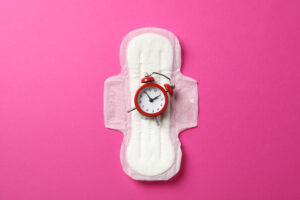
These factors can affect hormonal balance. Chronic stress, in particular, is considered a possible factor that can alter the menstrual cycle. However, isolated hot summer days or a short-term heat wave do not normally prevent ovulation or pregnancy in healthy women.
Rather, the focus should be on overall well-being. If you get enough sleep, stay well-hydrated, and listen to your body, you can create good conditions for pregnancy even during the warmer months.
Hydration Plays a Bigger Role than Many People Realize
Adequate fluid intake is often underestimated. Even mild dehydration can cause the blood to become slightly thicker, forcing the heart to work harder. Fatigue, headaches, and difficulty concentrating are often the first signs.
During a heat wave, the body loses significantly more water than usual through sweating. Failing to replenish this loss puts additional strain on the circulatory system. For women, this can be particularly uncomfortable during the second half of the menstrual cycle, when the body is already under greater strain.
Water, mineral water, or unsweetened herbal and fruit teas are ideal. Water-rich fruits such as watermelon, strawberries, peaches, or cucumbers also help maintain hydration. Alcohol, on the other hand, should be consumed only in small amounts, as it further disrupts fluid balance and, regardless of this, should be avoided as much as possible if you’re trying to conceive.
Diet Can Support the Body During Hot Weather
Especially in the summer, many people find it easier to eat a balanced diet. There’s a wide variety of fresh fruits and vegetables available, and many dishes are lighter than in the winter months.
A diet rich in vegetables, fruits, legumes, whole grains, nuts, and high-quality vegetable oils provides numerous antioxidants. These protect the body’s cells from what is known as oxidative stress. Free radicals are produced, among other things, by intense sunlight, environmental pollution, and normal metabolic processes. If they are not sufficiently neutralized, they can damage cell structures. Sperm and egg cells are also sensitive to oxidative stress.
Foods high in vitamin C, vitamin E, beta-carotene, selenium, and zinc are particularly beneficial. Omega-3 fatty acids also play an important role. They are found in fatty ocean fish, walnuts, and flaxseeds, among other sources, and support numerous metabolic processes in the body.
However, it is not the individual so-called “superfood” that is decisive. Scientific studies consistently show that it is rather the overall dietary pattern that matters. A varied, Mediterranean-style diet is therefore often recommended for couples trying to conceive.
Exercise Remains Important – With the Right Daily Schedule
Regular exercise has a positive effect on the cardiovascular system, metabolism, and mental well-being. People trying to conceive also benefit from this. However, summer requires some flexibility.
Intense workouts during the midday heat put unnecessary strain on the body. Walks, bike rides, or runs in the early morning or evening, when temperatures have already dropped, are much more pleasant. This keeps your circulation stable and allows your body to recover more quickly.
Restful Sleep Supports Hormonal Balance

Many people sleep less well during hot nights. Body temperature normally drops slightly before falling asleep. If the bedroom is too warm, this natural process is hindered and sleep quality decreases.
Getting enough sleep is especially important when you’re trying to conceive. Numerous regenerative processes take place during sleep, which, among other things, also influence hormone balance. A well-ventilated bedroom, light bedding, and keeping the evening as cool as possible can help you sleep better through the night.
Trying to Conceive and Summer Vacations – What Should You Keep in Mind?
Many couples wonder whether they should plan their summer vacations differently while undergoing fertility treatment or trying to conceive. In general, there’s no reason not to travel to warm regions. What’s more important is not to constantly overexert your body.
Drinking plenty of fluids, using sunscreen, and taking regular breaks in the shade help relieve strain on the circulatory system. Men should avoid prolonged stays in very hot hot tubs or thermal pools whenever possible if they’re currently planning a pregnancy. An occasional visit is usually fine, but prolonged exposure to intense heat can temporarily impair sperm production.
Staying Relaxed Through the Summer
The desire to have a child often comes with many questions and sometimes even worries. Especially online, there are numerous tips circulating about what you should definitely do or avoid while trying to conceive. This can easily give the impression that every little thing could determine success or failure.
Scientific findings, however, paint a more reassuring picture. Neither a hot summer day nor a vacation by the sea nor an afternoon at the outdoor pool makes pregnancy unlikely. Long-term lifestyle is much more important. Those who eat a balanced diet, get enough exercise, maintain a healthy body weight, do not smoke, and avoid excessive heat exposure create good conditions for their own health and, consequently, for their fertility.
Conclusion
High temperatures can put a strain on the body—male fertility, in particular, is sensitive to prolonged overheating of the testicles. For women, heat and summer weather tend to have an indirect effect, for example through lack of sleep, fluid loss, or physical stress. At the same time, scientific evidence shows that short-term exposure to heat generally has no lasting impact on fertility.
Those trying to conceive in the summer therefore don’t have to give up the sun, vacations, or leisure activities. Rather, it’s important to stay well-hydrated, maintain a nutrient-rich diet, schedule exercise for the cooler hours of the day, and consciously limit exposure to intense heat sources—especially for men. This way, you can enjoy the warm season without losing sight of the importance of a healthy lifestyle.
You may also be interested in...
-

In our 24/7, always-on world, light pollution is a given. Streetlights, store lights, continuously lighted…
-
If you have repeatedly tried and have had no luck in conceiving a child, you…
-
Time to pay attention workaholics and night owls: New evidence now suggests staying up late…