The question of whether a vegan diet can affect fertility is being raised with increasing frequency in nutritional medicine and reproductive research. The rationale is that diet is a key factor in hormonal balance, cellular health, and inflammatory processes in the body—all aspects that are directly or indirectly linked to reproductive capacity. The issue is less about whether animal products are consumed and more about the composition of the overall diet. A vegan diet can have both positive and potentially critical effects. What matters is not the type of diet itself, but its quality and nutrient density.
How Diet Fundamentally Affects Fertility
Human fertility depends on highly finely tuned biological processes that are closely linked to overall health. In women, this primarily concerns the menstrual cycle, including ovulation, hormonal regulation, and the development of the uterine lining. For men, it involves the continuous production and maturation of sperm. Both systems are sensitive to external influences, with diet playing a central role because it supplies the body daily with energy and building blocks for these processes.
A balanced diet supports fertility by providing the body with sufficient macronutrients and micronutrients. These include proteins as building blocks for cells, healthy fats for hormone production, as well as vitamins and minerals that are involved in nearly all metabolic and maturation processes. It is particularly important that the body not only receives “somehow enough” energy, but is continuously and stably supplied, as fluctuations in energy balance can directly affect hormonal balance.
Another important connection exists between diet and oxidative stress. This process generates free radicals in the body that can damage cells if they are not sufficiently neutralized by antioxidants. Egg and sperm cells are particularly sensitive to this, as their quality directly influences future fertility. A diet rich in fresh plant-based foods can strengthen this protective mechanism, while highly processed foods high in sugar and unhealthy fats tend to promote oxidative stress.
In addition, diet also indirectly influences fertility through hormonal balance and body weight. Hormones such as estrogen, progesterone, and testosterone are closely linked to nutrient supply and metabolism. At the same time, both underweight and overweight conditions can disrupt reproductive function, as the body makes hormonal adjustments in such situations that can impair ovulation or sperm production. Overall, it is therefore evident that diet is not merely a contributing factor but has a fundamental influence on reproductive health.
Potential Benefits of a Plant-Based Diet
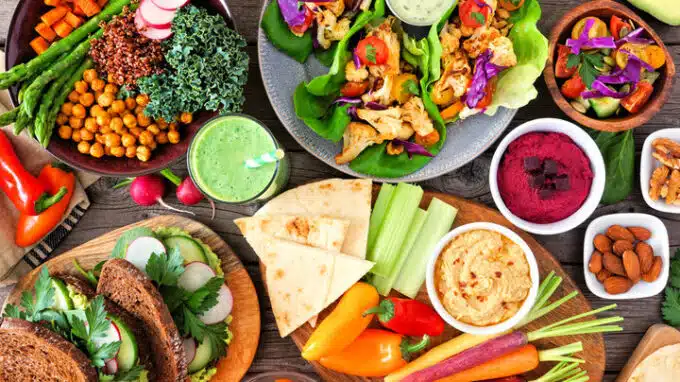
A vegan diet is based entirely on plant-based foods such as vegetables, fruits, legumes, whole grains, nuts, and seeds. These foods not only provide energy and essential nutrients but also contain a large amount of so-called phytochemicals. These include, among others, polyphenols and flavonoids, which can have an antioxidant effect in the body. These compounds help neutralize free radicals, which can damage cells and exacerbate inflammatory processes. This protective mechanism is particularly important in the context of fertility, as egg and sperm cells are especially sensitive to oxidative stress.
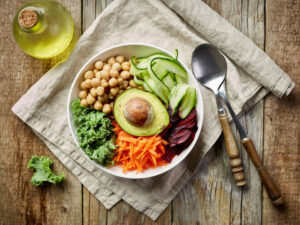
Another potential benefit of a plant-based diet lies in its anti-inflammatory effects. Research links chronically elevated inflammation levels in the body to various fertility issues, including hormonal imbalances or reduced egg and sperm quality. Certain plant-based foods, particularly berries, leafy green vegetables, nuts, and omega-3-rich seeds such as flaxseeds or chia seeds, can help reduce inflammatory processes in the body. This can create an internal environment that is more conducive to hormonal stability and reproductive processes.
In addition to these direct biological effects, metabolism also plays an important role. Studies show that people who follow a more plant-based diet often have a more stable body weight and better insulin sensitivity. This is relevant because both excess weight and insulin resistance can significantly affect hormonal balance. Insulin is closely linked to reproductive hormones such as estrogen and testosterone, and disruptions in glucose metabolism can negatively affect ovulation in women or sperm production in men. A diet that keeps blood sugar levels stable can therefore indirectly support fertility.
Plant-based diets, such as the Mediterranean diet, are also frequently associated with better reproductive health in research. Although it is not vegan, it clearly demonstrates that a high proportion of plant-based foods combined with healthy fats—such as those from olive oil and nuts—can have positive effects on the cardiovascular system, inflammation levels, and hormonal balance. These factors, in turn, are closely linked to fertility, as they form the foundation for stable bodily regulation. Overall, it can be said that the potential benefits of a plant-based diet stem primarily from its nutrient density, its antioxidant potential, and its positive effects on metabolism and inflammatory processes. However, it is also crucial here that the diet is well-planned and that all critical nutrients are adequately covered so that these positive effects can actually take hold.
What Research Has Shown So Far
Scientific studies do not provide a uniform picture overall, but rather a nuanced assessment. Several studies show that there are no fundamentally significant differences in fertility between vegetarians, vegans, and omnivores, as long as the diet is balanced.
An important finding from review studies is that it is not the dietary pattern itself that is decisive, but rather the intake of critical nutrients. In studies on male fertility, for example, no significant differences in sperm quality were found between vegetarians and omnivores, provided there were no nutrient deficiencies.
At the same time, research emphasizes that certain nutrients are particularly important for reproductive health and can more easily be consumed in insufficient amounts on a purely plant-based diet without careful planning.
Critical Nutrients and Their Importance for Fertility
A central aspect of the discussion is nutrient intake. Some vitamins and minerals play a direct role in reproduction, particularly in cell division, hormone production, and the development of egg and sperm cells.
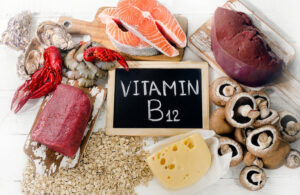
Vitamin B12 is particularly important here, as it is found almost exclusively in animal-based foods. It is crucial for blood formation and cell division. A deficiency can also affect hormonal processes in the long term. Iron also plays a major role, especially in women. It is necessary for oxygen transport in the blood and thus for the energy supply to all cells. An iron deficiency can contribute to menstrual irregularities and reduced fertility.
Zinc is also essential, as it is involved in sperm production and regulates hormonal processes. Omega-3 fatty acids, in turn, influence inflammatory processes and are important for the structure of cell membranes, including those of reproductive cells.
Vitamin D, iodine, choline, and sufficient high-quality protein are additional building blocks that play a role in reproductive health. If these nutrients are lacking, it can impair fertility—regardless of whether the diet is vegan or non-vegan.
Risks of an Unbalanced Vegan Diet
A vegan diet is not automatically healthy or unhealthy, but depends heavily on how it is implemented. It becomes problematic when it is not carefully planned and important nutrients are chronically lacking.
In such cases, hormonal imbalances can occur that affect the female cycle or reduce sperm quality. Insufficient energy intake can also put the body into a state of stress, which reduces reproductive capacity.
This is particularly critical for people trying to conceive or during pregnancy, as nutrient requirements are higher during these phases. Experts therefore often emphasize that extreme diets should be avoided during this stage of life unless professionally supervised.
Overall Assessment From a Scientific Perspective
In summary, a vegan diet does not automatically improve or impair fertility. Positive effects are most likely when the diet is varied, nutrient-rich, and well-planned. The high proportion of plant-based foods can reduce inflammation, support metabolism, and indirectly promote hormonal balance. At the same time, there is a risk of nutrient deficiencies if key vitamins and minerals are not specifically addressed. These deficiencies can negatively impact fertility and should therefore be avoided.
The overall scientific evidence therefore clearly shows: It is not the avoidance of animal products that is decisive, but the quality of the overall diet. A well-planned vegan diet can support fertility, but it is no guarantee of improved fertility.
You may also be interested in...
-

For those having trouble conceiving a child, it can increase feelings of frustration and confusion.…
-
This article discusses the fertility benefits of ginger. For women, ginger can improve ovarian function.…
-
Bioflavonoids are naturally found in derivatives from plants that are polyphenolic. They can be found…