Fertility treatment is not only a physical and emotional challenge for women. Men are also an important part of the entire process. About half of all cases of infertility are at least partly related to male factors—such as poor sperm quality, hormonal imbalances, genetic causes, or problems with sperm production.
Many men only learn that their sperm quality is compromised during fertility testing. The diagnosis can be surprising and distressing, as fertility is often still perceived as primarily a female issue. Yet male fertility plays a crucial role in the likelihood of pregnancy. Proper preparation can help men better understand the treatment, actively participate in the process, and influence factors that may support sperm quality. It is not a substitute for medical treatment and cannot guarantee pregnancy—but it provides guidance and gives many couples the feeling that they are not entirely passive.
1. Why Male Fertility Plays a Central Role in ICSI
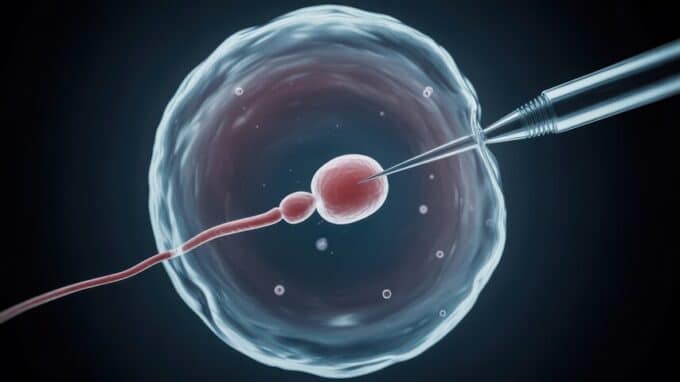
In ICSI (intracytoplasmic sperm injection), a single sperm is injected directly into the egg. The method was developed to give even couples with severely impaired male fertility a chance at fertilization. ICSI may be recommended, for example, if:

- there are very few sperm,
- motility is severely impaired,
- many sperm have abnormal shapes,
- a previous IVF cycle did not result in fertilization,
- sperm must be surgically retrieved from the testicles.
While in conventional IVF many sperm are brought together with the egg, ICSI performs the crucial step of fertilization in the laboratory.
2. The First Few Months Before ICSI: Why Preparation Takes Time
Many men underestimate the fact that sperm quality cannot be changed within a few days. The development of new sperm takes about two to three months. Measures taken today may therefore only become apparent later in a semen analysis.
During this time, the main focus is on creating conditions that support sperm production. This includes getting enough sleep, exercising regularly, eating a balanced diet, and avoiding factors that can impair sperm quality. It is particularly important to properly manage any existing medical conditions and to discuss medications or dietary supplements with the fertility clinic.
3. Tests for Men Before ICSI
The most important initial test is the semen analysis. During this procedure, the semen sample is examined in the laboratory. The following factors, among others, are evaluated:
- Sperm count
- Motility
- Appearance and shape of the sperm
- Semen volume
Since these values can fluctuate from day to day, multiple tests are often performed. Depending on the results, further tests may follow. These include hormone analyses, ultrasound examinations of the testicles, or genetic testing. For men with very low or no sperm count, it may be possible to determine whether surgical retrieval of sperm from the testicles is an option.
4. Diet and Lifestyle: What Men Can Do Themselves
Sperm production is sensitive to various external factors. A balanced diet can help provide the body with important nutrients.
Particularly relevant nutrients include:
- Zinc for normal sperm development
- Selenium for protection against oxidative stress
- Omega-3 fatty acids for cell membranes
- Vitamin C and vitamin E as antioxidants
Body weight also plays a role. Severe obesity can be associated with hormonal changes that may negatively affect fertility. However, it is important to note that no single food or dietary supplement can fully compensate for poor sperm quality. The interaction of many factors is crucial.
5. Alcohol, Smoking, Heat, and Environmental Factors
Sperm are sensitive to certain stresses. Smoking is one of the factors associated with poorer sperm quality. High alcohol consumption can also affect fertility.
Another frequently discussed issue is heat. The testicles are located outside the body because sperm production requires a lower temperature. Frequent exposure to intense heat can impair sperm production. These include, for example, regular intensive sauna visits or prolonged exposure of the testicles to high heat.
6. ICSI Treatment: What Happens to the Semen Sample?
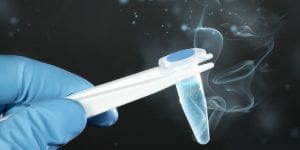
On the day of egg retrieval, the man typically provides a semen sample. For many men, this moment is more stressful than they expected. The situation is unfamiliar, the timing is precisely scheduled, and the emotional significance of the sample is high.

In the lab, the sperm are then examined, and the most suitable sperm cells are selected. During ICSI, a single sperm is then injected directly into the egg. If there are not enough sperm in the ejaculate, they can be retrieved under certain conditions using procedures such as TESE or MESA.
7. Medications and Hormones: What Can Men Expect?
Unlike women, men typically do not undergo intensive hormonal stimulation during ICSI. While medications are used in women to induce the maturation of multiple eggs simultaneously, in most cases, men do not need to prepare their bodies in this way. The physical strain caused by medications is therefore often significantly lower. Nevertheless, medications can play an important role in treating certain causes of reduced fertility. The first crucial step is to determine why sperm quality is impaired. Not every abnormal semen analysis has the same cause, and not every form of male infertility can be treated with medication.
Hormonal disorders may be a possible cause. Sperm production is controlled by a complex interplay of various hormones. In particular, the hormones FSH (follicle-stimulating hormone) and LH (luteinizing hormone) play a key role. They regulate sperm production and testosterone production in the testicles. If this hormonal regulation is disrupted, certain hormone treatments can, in select cases, help stimulate the body’s own sperm production.
A severe testosterone deficiency can also affect fertility. It is important to note, however, that testosterone therapy is not automatically the right solution for men who wish to have children. Exogenous testosterone treatment can actually suppress the body’s own sperm production, as the body receives fewer of its own signals to produce sperm. Therefore, men hoping to have children should always discuss potential hormone therapy with a physician specializing in andrology or reproductive medicine. In some men, medication is also used when, for example, inflammation, certain infections, or other treatable causes are present. In other cases, surgical procedures may be more appropriate, such as when sperm cannot reach the testicles via the normal pathway.
However, many men planning to undergo ICSI do not require specific medication. In such cases, the focus is often on improving modifiable factors, such as making lifestyle changes and avoiding factors that harm sperm development. It is important to note that male fertility cannot always be fully controlled. However, thorough diagnostic testing helps to better understand the cause and select the most appropriate strategy in collaboration with the treatment team.
8. Don’t Underestimate the Psychological Strain
Fertility treatment is not only a medical challenge but also an emotional strain—and this applies to men as well. Although the physical procedures involved in ICSI usually affect women more directly, many men find the treatment very demanding. A diagnosis of poor sperm quality can take a toll on a man’s self-image and sense of masculinity, even though, from a medical perspective, there can be many different underlying causes.

Some men feel guilty or wonder if they are responsible for the difficulties encountered during fertility treatment. Others feel pressure because they want to support their partner while simultaneously trying to put their own concerns aside. Often, men talk less about their feelings and focus on the need to “function”—for example, during doctor’s appointments, semen collection, or while waiting for results.
ICSI itself can also involve emotionally stressful phases. The detailed planning, reliance on lab results, and uncertainty about the outcome of the treatment can trigger stress and anxiety. The period following the embryo transfer or after a negative pregnancy test can be particularly difficult, as both partners must cope with hopes and expectations. It is important that fertility treatment not be viewed as a problem for just one partner. Even if the cause of infertility lies with the man, the entire journey always affects both partners. Open conversations about how each person is experiencing the situation and what support is needed can strengthen the relationship.
It can be helpful to seek support early on—for example, through conversations with trusted people, fertility support groups, or psychological counseling. Seeking such support does not mean that someone is unable to cope with the situation; rather, it can help them better manage the emotional strain of a long and often unpredictable treatment process. Men, too, should therefore allow themselves to take their own emotional burden seriously. Active participation in treatment means not only supporting the medical steps but also acknowledging one’s own feelings and needs.
9. What Men Should Keep in Mind During ICSI
There’s no need to behave perfectly during treatment. The goal isn’t to eliminate every possible source of stress, but to create the best possible conditions.
The following are helpful:
- sufficient sleep
- regular exercise
- a balanced diet
- avoiding smoking
- moderate alcohol consumption
- effective stress management
10. What Men Should Know Before ICSI
Poor sperm quality does not automatically mean that pregnancy is impossible. Modern reproductive medicine can now offer treatment options even in cases of very severe limitations.
At the same time, there is no guarantee of success with ICSI. The outcome depends on many factors—including egg quality, the woman’s age, embryo development, and the individual medical situation.
Good preparation therefore does not mean being able to control everything. It means being informed, better understanding medical decisions, and actively participating as a partner in the journey toward parenthood.
You may also be interested in...
-

Sperm banking can prove valuable for men hoping to ensure their ability to conceive children…
-
New research has found that the sperm of a crocodile has different properties than scientists…
-
You may have heard of the gut microbiome and its influence on a person's overall…