

According to a new study, sperm quality is highest in the summer and lowest in the winter. Researchers from the United Kingdom, Canada, and Denmark analyzed sperm samples from 15,581 men in Denmark and Florida, all of whom were between the ages of 18 and 45. Their findings show that sperm motility was consistently highest in June and July in both regions. Understanding these seasonal patterns could improve fertility treatments by optimizing the timing of treatment to provide better guidance to couples trying to conceive. The study, published in the journal “Reproductive Biology and Endocrinology,” suggests that sperm motility remains constant across different climates and instead varies with the seasons.
Seasonal Patterns and Male Fertility
Levels were lowest in December and January, even though Florida remains warm year-round. However, the scientists found no changes in total sperm concentration—that is, the number of sperm in the semen—or in ejaculate volume, the amount of semen expelled during ejaculation, regardless of the season. This means that while sperm motility changes depending on the season, the season has no effect on the number of sperm produced. These results suggest that seasonal patterns may influence male fertility more than temperature differences alone. On average, the optimal temperature of the testicles—where sperm are stored—should be two to four degrees below the average body temperature of 37 degrees. Anything above or below this range can negatively affect sperm motility and thus impair fertility.
Why Sperm Swim Faster During the Warm Season
Seasonal differences in sperm motility can be explained by several biological mechanisms that go beyond mere external temperature. Here is an overview of the possible causes:
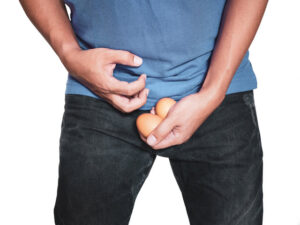
Testicle Temperature
- The optimal temperature for sperm is 2–4°C below core body temperature (approx. 33–35°C).
- In summer, slight differences in clothing, sunlight, or activity can help the testicles maintain this optimal temperature more effectively.
- In winter, while the cold may cool the testicles slightly, prolonged sitting or warm clothing can also keep the testicles warmer than ideal, which reduces sperm motility.
Light and Day Length (Circadian Rhythm)
- Hormone production, particularly of testosterone, is influenced by the length of daylight.
- Longer days in summer increase testosterone levels, which in turn can promote spermatogenesis and, specifically, sperm motility.
- Shorter days in winter could lead to a slight decrease in motility, even if sperm count remains the same.
Vitamin D and Sunlight
- Vitamin D, which is produced in the skin by sunlight, plays a role in hormone regulation and sperm quality.
- In summer, vitamin D levels are usually higher, which can positively influence sperm motility and function.
Lifestyle Factors
- In summer, people often exercise more, eat a healthier diet (more fresh fruits and vegetables), sleep better, and experience less stress.
- These factors indirectly affect sperm quality, particularly motility.
Evolutionary Considerations
- Some researchers speculate that male fertility is seasonally adapted to promote reproduction in optimal environments.
- Nature may slightly increase sperm motility during periods of maximum food availability and mild climates.
Other Factors Influencing Sperm Motility
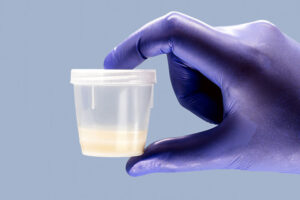
Sperm motility is influenced by many factors beyond the season. Testicular temperature is particularly important; it should ideally be two to four degrees below core body temperature. Excessive heat, such as from sauna visits, hot baths, or placing laptops on the lap, can significantly reduce sperm motility, while extreme cold can also have negative effects. Hormonal influences also play a central role: adequate testosterone levels, as well as the hormones FSH and LH, are crucial for sperm maturation and their ability to swim actively. Thyroid hormones and prolactin can also modulate motility.
Lifestyle factors have a strong impact on motility. Smoking and the consumption of alcohol or drugs increase oxidative stress and damage the cell membranes of sperm, thereby reducing their motility. A balanced diet rich in antioxidants such as vitamin C, vitamin E, zinc, and selenium, on the other hand, can support motility. Being overweight can also reduce motility, as hormonal imbalances and inflammatory processes disrupt sperm function. Chronic stress and lack of sleep have similar negative effects.
Environmental factors such as pesticides, plasticizers, heavy metals, or air pollution can also reduce sperm motility, as they cause oxidative damage to the cell membranes. Infections or chronic inflammation in the testicles, epididymis, or prostate also increase oxidative stress and impair motility. In addition, certain medications such as chemotherapy drugs, antibiotics, anabolic steroids, or long-term corticosteroids can disrupt mitochondrial energy production in sperm, which reduces the sperm’s ability to swim.
Conclusion
Even though the outside temperature cannot really be changed, men can do a lot to improve their sperm motility by, for example, optimizing testicular temperature, lifestyle, and diet. Loose-fitting underwear and avoiding hot baths or keeping a laptop on the lap help keep the testicles cool.
It is advisable to avoid nicotine, alcohol, and drugs, reduce stress, and ensure adequate sleep and moderate exercise to promote hormonal balance. A diet rich in antioxidants (vitamins C and E, zinc, selenium) and omega-3 fatty acids protects sperm. It is also important to maintain a healthy weight, avoid environmental toxins, and check medications for potential side effects. Small adjustments can significantly increase motility within just a few months.
You may also be interested in...
-

Sperm motility is an important part of the conception process, as it is the sperm…
-
New research has found that the sperm of a crocodile has different properties than scientists…
-
You may have heard of the gut microbiome and its influence on a person's overall…