
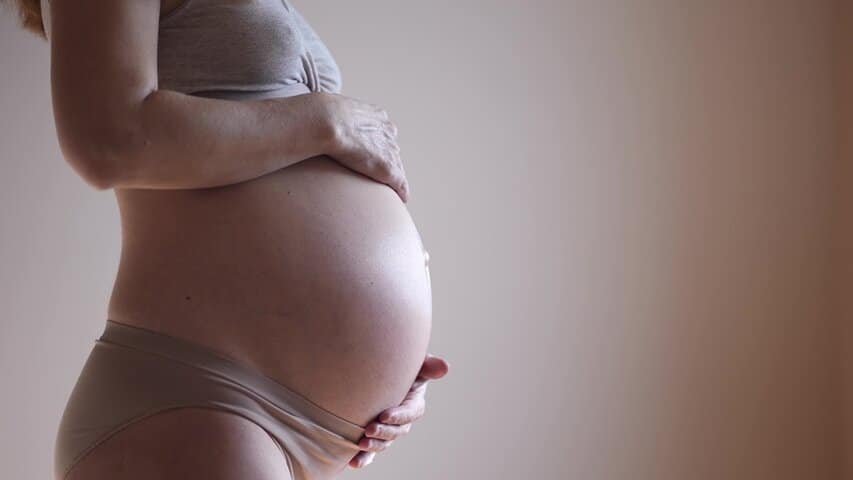
A new analysis by evolutionary anthropologists Colin Shaw (University of Zurich) and Daniel Longman (Loughborough University) concludes that the modern world has evolved faster than human biology can adapt. Their work suggests that chronic stress and many widespread health problems, such as reproductive disorders, are due to a fundamental discrepancy between our naturally shaped physiology and the highly industrialized environments in which most people live today.
Modern Stressors Take their Toll
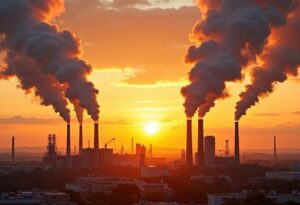
Over hundreds of thousands of years, humans evolved to meet the physical and psychological demands of life as hunter-gatherers, which required frequent movement, short periods of intense stress, and daily contact with nature. Industrialization changed these conditions within a few centuries, adding noise, air and light pollution, microplastics, pesticides, continuous sensory overload, artificial lighting, processed foods, and long periods of sitting.
“In the environment of our ancestors, we were well adapted to dealing with acute stress in order to avoid or confront predators,” says Colin Shaw, who co-leads the Human Evolutionary EcoPhysiology (HEEP) research group with Daniel Longman. “Occasionally, a lion would appear, and you had to be ready to defend yourself—or flee. The key point is that the lion disappears again.”
Modern stressors such as traffic, pressure at work, social media, and constant noise activate the same biological processes that once helped humans escape predators. Unlike our ancestors, who quickly found a solution, these stressors rarely subside. “Our bodies react as if all these stressors were lions,” explains Longman. “Whether it’s a difficult conversation with your boss or traffic noise, your stress response system still reacts as if you were facing one lion after another. The result is a very strong response from your nervous system, but no recovery.”
Industrialization and its Consequences for Health and Reproduction
In their review, Shaw and Longman evaluate research findings that suggest the shift to industrial and urban life is reducing human evolutionary fitness. Evolutionary success depends on both survival and reproduction, and the authors argue that both have been negatively affected since the beginning of industrialization.
They point to declining birth rates in much of the world and rising rates of inflammatory and autoimmune diseases as evidence that the modern environment is straining human biology. “It is paradoxical that, on the one hand, we have created enormous prosperity, comfort, and health care for many people around the world,” says Shaw, “but on the other hand, some of these industrial achievements have harmful effects on our immune, cognitive, physical, and reproductive functions.”
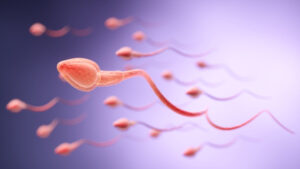
One of the most widely studied examples is the steady decline in sperm count and sperm motility observed since the 1950s. Shaw notes that these trends appear to be related to environmental influences. “It is believed that this is related to pesticides and herbicides in food, but also to microplastics,” he says.
Decline in Sperm Count
- A large-scale meta-analysis showed that between 1973 and 2011, sperm concentration (SC) fell by about 52.4% and total sperm count (TSC) by about 59.3% in men in North America, Europe, Australia, and New Zealand.
- A recent study using data from 53 countries found that the decline in sperm count is global — not just in Western countries — and has even accelerated in recent decades. Between 1973 and 2018, the average sperm concentration fell from about 101.2 million/ml to around 49 million/ml.
- According to the authors of these studies, there is no evidence that this downward trend has slowed — on the contrary, the decline appears to be continuing in the 21st century.
Decline in Birth Rates
- The decline in birth rates is global — not just in Europe or rich countries. According to data from the Institute for Health Metrics and Evaluation (IHME), birth rates are declining in many countries worldwide; a dramatic transformation of population structures is expected globally if the trend continues.
- Regions with traditionally high birth rates, including parts of Africa and Asia, are also experiencing declines, albeit at a higher level than in Europe.
In Search of Solutions that Promote Human Well-Being
Technological and environmental conditions continue to change much faster than biological evolution can respond. “Biological adaptations occur very slowly. Long-term genetic adaptations span multiple generations — tens of thousands to hundreds of thousands of years,” says Shaw.
According to the researchers, this means that the discrepancy between human physiology and modern living conditions will not correct itself through natural evolutionary processes. Instead, they argue that societies must take active measures to reduce this pressure by strengthening the connection to nature and creating healthier, more sustainable environments.
Both cultural and environmental changes are needed to address this discrepancy. Shaw suggests treating nature as an essential component of public health and protecting or restoring landscapes similar to those in which humans originally evolved. He also advocates rethinking urban design to better accommodate human physiology and reduce harmful stresses.
You may also be interested in...
-

According to research, vitamin E can have a significantly positive effect on men´s fertility by…
-
The number of questions about lycopene, including benefits for sperm health, what it is and…
-
Have you heard about the fertility benefits of mangos? For most of us, the answer…