

A growing body of research suggests that fertility depends on more than just hormones or the health of the reproductive organs. Scientists are now conducting intensive research into the so-called gut-brain-hormone axis—a complex network comprising the gut microbiome, the nervous system, the immune system, and hormones—which may play a significantly greater role in fertility than previously thought. The focus is on how gut bacteria, chronic stress, and inflammation might influence female and male hormone balance. Especially in conditions such as polycystic ovary syndrome and endometriosis, researchers are increasingly seeing links between disrupted gut flora and fertility issues.
The Gut as a Hormonal Control Center
The human gut is home to trillions of microorganisms, including bacteria, fungi, and viruses, which together form the so-called microbiome. For a long time, it was assumed that these microorganisms were primarily important for digestion. Today, however, we know that they can also influence the immune system, inflammatory processes, metabolism, and even the production of certain hormones.
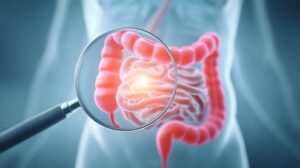
Some gut bacteria, for example, are involved in breaking down and regulating estrogen. If this balance is disrupted, it could affect the menstrual cycle, ovulation, and fertility. Researchers also suspect that certain bacteria can promote or reduce inflammation—an important factor, as chronic inflammation is often linked to fertility issues.
How Stress Might Affect the Gut and Fertility
Chronic stress has long been considered a potential risk factor for hormonal disorders. However, recent studies show that stress not only directly affects the brain but can also alter the composition of the gut microbiome.
Through the so-called gut-brain axis, the digestive system and the brain are in constant communication. Stress hormones such as cortisol can affect the intestinal barrier, promote inflammation, and alter the growth of certain gut bacteria. At the same time, gut bacteria themselves produce signaling molecules that can affect the nervous system.
Researchers therefore suspect that prolonged stress could indirectly influence ovulation, libido, and even the quality of eggs and sperm. Many scientists no longer view fertility in isolation as a purely hormonal problem, but rather as the interaction of multiple bodily systems.
PCOS and Endometriosis in the Spotlight of Research
Scientists are currently conducting particularly intensive research into the role the gut microbiome plays in polycystic ovary syndrome. PCOS is one of the most common hormonal disorders among women of childbearing age and is often associated with menstrual irregularities, anovulation, elevated androgen levels, and difficulty conceiving. Many affected women also suffer from insulin resistance, weight gain, and chronic inflammation—factors that can also impact fertility.
Recent studies show that women with PCOS often have an altered composition of their gut flora. In particular, the diversity of certain beneficial gut bacteria appears to be reduced, while pro-inflammatory microorganisms may be on the rise. Researchers suspect that these changes intensify inflammatory processes and influence metabolism, which in turn could exacerbate hormonal imbalances. Some scientists even believe that the microbiome indirectly influences the production of insulin and sex hormones and could thus affect ovulation.
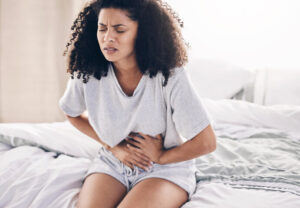
Gut health is also increasingly becoming a focus of research in endometriosis. Endometriosis occurs when uterine-like tissue grows outside the uterus and causes chronic inflammation there. Many affected individuals suffer from severe pain, digestive issues, and fertility problems. Since the condition is closely linked to inflammatory and immune processes, scientists are investigating whether changes in the gut microbiome could exacerbate these reactions.
Some studies suggest that certain gut bacteria influence the activity of the immune system and can thereby promote or dampen inflammatory processes in the body. At the same time, so-called estrogen metabolism may also play a role. Certain gut bacteria help break down excess estrogen. If this balance is disrupted, it could affect hormonal processes that play a key role in both PCOS and endometriosis.
Furthermore, researchers are increasingly interested in the connection between the gut, the immune system, and pain perception. Since many people with endometriosis also suffer from gastrointestinal complaints such as bloating, irritable bowel-like symptoms, or chronic inflammation, scientists suspect that communication between the gut and the nervous system may play a greater role in the disease than previously assumed.
Can Probiotics Support Fertility?
With the growing interest in the microbiome, scientists are increasingly investigating whether probiotics and certain diets could positively influence fertility. The focus is on so-called “good” gut bacteria, such as Lactobacillus and Bifidobacterium strains, which play an important role in gut health. Researchers suspect that these microorganisms may reduce inflammation, strengthen the gut barrier, and stabilize the immune system—processes that may also influence hormonal balance and fertility.

Some studies suggest that a healthy gut flora could help better regulate hormonal imbalances. Since certain gut bacteria are involved in the processing of estrogen, the microbiome could influence the menstrual cycle, ovulation, and overall reproductive health. In addition, scientists are investigating whether anti-inflammatory bacterial strains might also have a supportive effect in conditions such as polycystic ovary syndrome or endometriosis.
In addition to probiotics, diet also plays a central role. Fiber-rich foods serve as nourishment for gut bacteria and promote the formation of short-chain fatty acids, which possess anti-inflammatory properties. Vegetables, whole grains, legumes, and fermented foods such as yogurt, kefir, or sauerkraut are frequently associated with a more diverse gut flora. Omega-3 fatty acids from fish, nuts, or seeds may also positively influence inflammatory processes in the body.
At the same time, researchers warn that highly processed foods, high sugar consumption, and chronic stress could disrupt the delicate balance of the microbiome. So-called dysbiosis—an imbalance in the gut flora—is increasingly linked to inflammation, metabolic problems, and hormonal changes. Some scientists therefore suspect that modern dietary habits could also indirectly influence fertility.
New Perspectives for Fertility Medicine
Research on the gut-brain-hormone axis is still in its early stages, but it could transform the treatment of fertility issues in the long term. Scientists hope that a better understanding of the microbiome will lead to the development of new prevention and treatment options—such as personalized dietary programs, targeted probiotics, or microbiome-based therapies.
Particularly exciting is the realization that fertility may be far more closely linked to general health processes than previously assumed. The gut could play a key role in this—not only for digestion, but also for hormones, inflammation, stress responses, and ultimately the desire to have children itself.
You may also be interested in...
-

-
It's useful to know that it's not only women whose fertility is at risk when…
-
If you're having trouble getting pregnant, your doctor may perform a blood test to analyze…