The two-week wait refers to the grueling period of time a couple has to wait between ovulation and a pregnancy test to see if conception has occurred. This is often a stressful time for hopeful couple...
The Science Behind the Two-Week Wait


The two-week wait refers to the grueling period of time a couple has to wait between ovulation and a pregnancy test to see if conception has occurred. This is often a stressful time for hopeful couple...
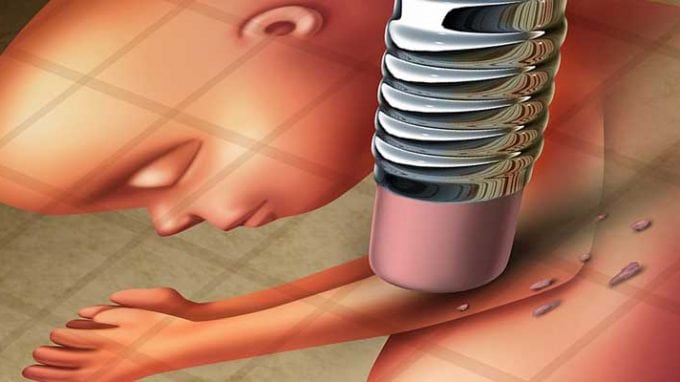
A miscarriage is one of the most emotionally painful experiences a woman can go through. Though a large number of women will experience a miscarriage at least once during a lifetime, many are never aw...
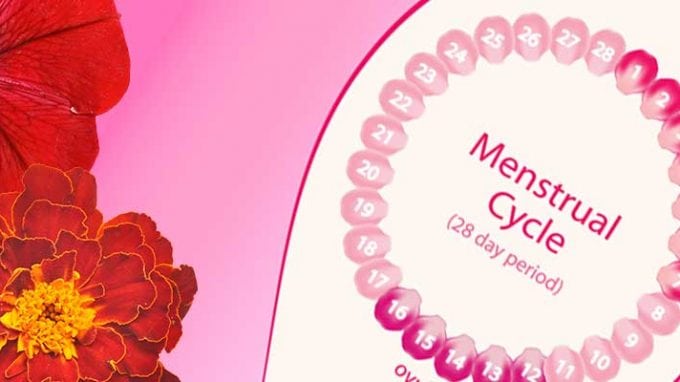
A luteal phase defect, or LPD, is a common cause of infertility and recurrent miscarriages among women. The luteal phase of a woman’s menstrual cycle occurs between ovulation and menstruation. D...

Hormonal birth control is prescribed to women for several reasons, the primary one being to prevent pregnancy. Once a woman has the desire to become pregnant and discontinues taking hormonal contracep...

A new study from Yale University has found that women with type O blood tend to have fewer eggs and lower success rates during in vitro fertilization. Roughly 10 percent of all women have trouble c...

While not being able to conceive for a lengthy period of time might not necessarily indicate a problem when it comes to fertility, there are numerous signs that you should be on the lookout for when t...
Polycystic ovary syndrome (PCOS) is a hormone imbalance that affects many women, and it cause people to sweat excessively without any cause. If you find yourself sweating a lot, it might be a sign ...

Women who want to conceive need to know their bodies. Balancing the phases of your menstrual cycle will increase your chances of conception. For some women getting pregnant is easy. For other women...