Becoming pregnant after 40 is often difficult, since many women approach perimenopause around this age. Perimenopause is the time before menopause during which the female reproductive system declin...
Getting Pregnant After 40


Becoming pregnant after 40 is often difficult, since many women approach perimenopause around this age. Perimenopause is the time before menopause during which the female reproductive system declin...
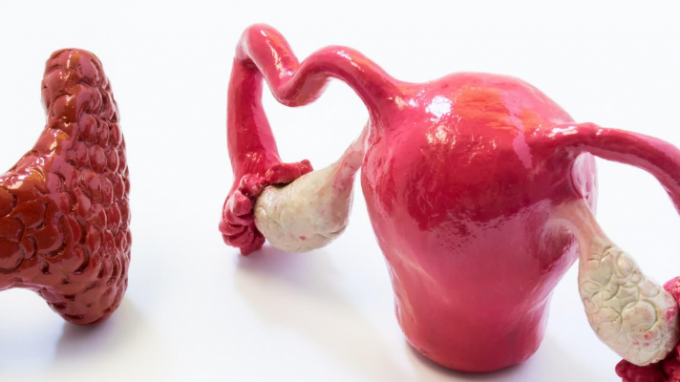
Hypothyroidism is a condition in which the thyroid gland produces insufficient amounts of important hormones that are critical to normal fertility. During testing for infertility, doctors may look ...

Getting pregnant is not always easy. Between 10 and 15 percent of couples in the United States are deemed infertile. But all is not lost: infertility and fertility treatments are often a viable optio...
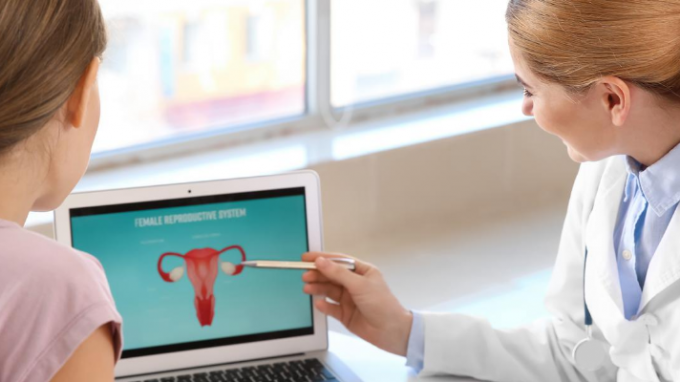
Uterine factor infertility is a term that includes a variety of anatomical defects that affect the uterus and can inhibit a woman’s ability to have children. The female reproductive system encomp...
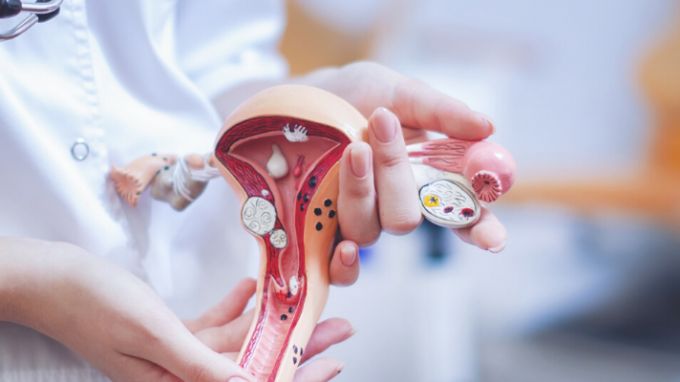
If you are struggling to conceive, one of the first tests that a doctor may use to monitor your fertility is follicular monitoring. This ultrasound monitoring will help your doctor better understand h...
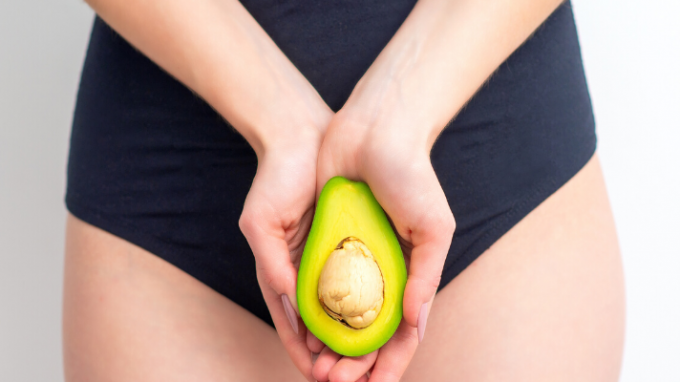
Couples with fertility issues are not alone. Government statistics state that 12% to 13% of American couples have trouble getting pregnant. Data also indicates that 6% of American married women betwee...

A healthy lifestyle improves the chances of conceiving a healthy baby. These choices help you increase your fertility. The decision to try to conceive a baby is often met with excitement. Those hap...

If you’ve been diagnosed with PCOS (polycystic ovary syndrome), you may deal with a myriad of uncomfortable symptoms, rely on multiple medications and may have been told by your doctor that you’d ...