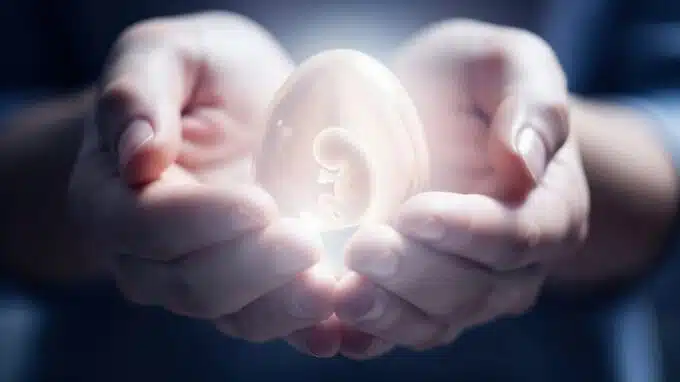
To date, there are no artificial wombs capable of supporting the full development of human babies. However, remarkable progress has been made in recent years. In 2017, researchers in the U.S. developed a so-called “Biobag” system in which lamb fetuses were able to continue growing successfully for several weeks. The animals developed in a manner similar to that in the natural womb.
The main goal of current research is to improve the chances of survival for extremely premature babies. Premature births are among the most common causes of complications and deaths in newborns worldwide. An artificial womb could extend the time spent in the womb and thereby support the development of the lungs, brain, and other organs.
What is Ectogenesis?
The term “ectogenesis” comes from Greek and means “outside of development.” It refers to the development of an embryo or fetus outside the body of a pregnant person. An artificial womb is designed to mimic the conditions in the womb as closely as possible. This includes a controlled temperature, the supply of oxygen and nutrients, and protection from external influences.
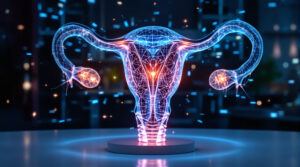
Researchers distinguish between partial and complete ectogenesis. In partial ectogenesis, an already developed fetus—such as an extremely premature infant—is further nurtured in an artificial womb. Complete ectogenesis, on the other hand, would mean that the entire development from the embryo to birth takes place outside the human body.
Current State of Research
To date, no artificial wombs exist for the full development of human babies. However, remarkable progress has been made in recent years. In 2017, researchers in the U.S. developed a so-called “Biobag” system in which lamb fetuses were able to continue growing successfully for several weeks. The animals developed similarly to how they would in the natural womb.
The main goal of current research is to improve the chances of survival for extremely premature babies. Premature births are among the most common causes of complications and deaths in newborns worldwide. An artificial womb could extend the time spent in the womb and thereby support the development of the lungs, brain, and other organs.
Potential Benefits
Ectogenesis could bring numerous medical and societal benefits. Researchers see great potential particularly in the field of neonatology, i.e., the care of premature infants. Extremely premature infants often struggle with serious complications because vital organs such as the lungs, brain, or digestive system are not yet fully developed. An artificial womb could create an environment that is much more similar to conditions in the womb than today’s incubators. This would allow the organs to continue maturing, which could potentially reduce the risk of respiratory problems, brain damage, or developmental disorders.
Furthermore, the technology could open up new possibilities for people with unfulfilled desires to have children. Women who cannot carry a pregnancy to term due to an illness, a uterine malformation, or following cancer treatment might have the chance to have children with their own genetic material. People facing serious health risks during pregnancy could also benefit from this technology, as the physical strain of pregnancy would be eliminated.

Another potential benefit lies in improved medical monitoring. In an artificial womb, key developmental processes could be continuously monitored. Doctors could detect changes in heart rate, oxygen supply, or growth at an early stage and intervene if necessary. This could potentially prevent certain complications or allow for better treatment than in a conventional pregnancy. Some scientists also see societal benefits. In the long term, ectogenesis could help reduce health risks for pregnant women. Pregnancies can be associated with complications such as high blood pressure, gestational diabetes, or life-threatening birth complications. An artificial womb could at least partially avoid these risks.
Furthermore, there is discussion about whether the technology could contribute to greater gender equality. Since the physical burden of pregnancy would no longer have to be borne exclusively by women, traditional notions of parenthood and family planning could change. However, these are theoretical considerations whose actual effects cannot yet be foreseen.
Despite these potential benefits, research is still in its early stages. Many of the hoped-for positive effects must first be confirmed by future studies. Therefore, the prospects for ectogenesis remain closely tied to scientific, ethical, and societal questions.
Ethical and Social Questions
Despite its potential, ectogenesis is controversial. Critics fear that pregnancy and childbirth could become increasingly technologized. Additionally, the question arises as to what impact full development outside the womb would have on the emotional bond between parents and child.
Legal questions also remain unresolved. At what point is a fetus in an artificial womb considered a separate living being? Who bears responsibility for medical decisions? And who would have access to this technology?
Furthermore, ethicists are debating whether ectogenesis could alter traditional notions of parenthood and family. Some see it as a step forward for equality, while others fear it could lead to new social inequalities.
Future Prospects
The development of artificial wombs is currently still in the research phase, yet many scientists see great potential for the future. In the short term, the technology is expected to be used primarily in the treatment of extremely premature infants. The goal is to bridge the gap between a premature birth and the original due date as safely as possible. This could increase survival rates and reduce long-term health consequences.
In the long term, researchers are exploring whether full ectogenesis might be possible. In this scenario, an embryo would undergo its entire development—from the first cell divisions to birth—outside the human body. Although this is not yet technically feasible, advances in stem cell research, artificial organ development, and reproductive medicine indicate that the scientific foundations are continually expanding.
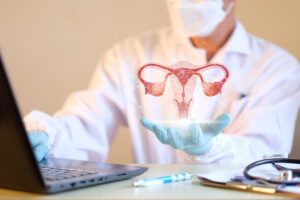
Should full ectogenesis one day become a reality, it could fundamentally transform reproductive medicine. People who cannot carry a pregnancy to term for medical reasons might have new opportunities to start a family. At the same time, pregnancy risks for the expectant mother could be reduced or even completely avoided. Even in complicated pregnancies, artificial wombs could potentially be used as a supportive measure.
However, alongside the medical opportunities, numerous ethical, legal, and social questions arise. For instance, it would need to be clarified what rights a fetus in an artificial womb possesses and who is authorized to make medical decisions. The question also arises as to how development outside the womb affects the relationship between parents and child. Critics also fear that human reproduction could become increasingly technologized and that social inequalities will arise if only wealthy people have access to such procedures. Legislation would also need to be adapted to new developments. Many current regulations regarding pregnancy, childbirth, and reproductive medicine are based on the assumption that a child develops within the body of a pregnant person. Ectogenesis would therefore require new legal definitions and protective measures.
Conclusion
The artificial womb is one of the most exciting and, at the same time, most controversial innovations in modern medicine. Overall, this research demonstrates how rapidly modern medicine is advancing. What still seems like a vision of the future today could, at least in part, become a medical reality in a few decades. Ectogenesis offers the opportunity to provide premature babies with better chances of survival and development and to open new avenues in reproductive medicine.
At the same time, the technology makes it clear that scientific progress always entails social responsibility. Therefore, the future of ectogenesis will depend not only on technical possibilities but also on how society, politics, and ethics deal with these new opportunities and challenges. Whether babies will one day grow entirely outside the human body remains to be seen—but research is bringing us closer to this possibility step by step.
You may also be interested in...
-

Most human eggs never have the chance to mature into eggs, a recent study sheds…
-
For years, studies have shown that artificial sweeteners are bad for your health. However, there…
-
New studies show: Sperm originating from the first part of the ejaculate is more fertile.…