

Many women assume that a regular menstrual cycle automatically means that everything is fine with their fertility. After all, a period that arrives on time has long been considered a sign of a “functioning” body. However, fertility specialists are increasingly warning against relying solely on cycle regularity. More and more often, women are experiencing problems such as infertility, recurrent miscarriages, hormonal issues, or metabolic problems despite having regular periods.
At the heart of this is a condition now increasingly referred to as PMOS (Polyendocrine Metabolic Ovarian Syndrome)—formerly known as Polycystic Ovary Syndrome. The new term is intended to clarify that this is not merely a gynecological issue involving the ovaries, but a complex hormonal and metabolic disorder that can affect the entire body.
Why Regular Bleeding Does Not Guarantee Healthy Ovulation
One of the biggest misconceptions surrounding fertility is the assumption that a regular menstrual period automatically means that healthy ovulation is occurring. In fact, however, menstruation and ovulation are not always directly linked. Bleeding initially only indicates that the uterine lining has built up and been shed—but it does not provide a reliable indication of whether the hormonal process of the cycle has functioned optimally.

Some women with PMOS experience so-called subtle ovulation disorders. This means that while ovulation may occur, the egg matures under unfavorable hormonal conditions. This can impair the quality of the egg or cause the timing of ovulation to be suboptimal. The luteal phase—that is, the time after ovulation during which the uterine lining prepares for a possible pregnancy—may also be disrupted.
For a successful pregnancy, several finely tuned processes must work together. In addition to ovulation itself, other crucial factors include follicle maturation, stable estrogen and progesterone levels, adequate preparation of the uterine lining, and good egg quality. Even minor hormonal imbalances can make it harder for a fertilized egg to implant or reduce the chances of conception. In PCOS in particular, elevated insulin and androgen levels often interfere with normal ovarian function. This can disrupt follicle maturation, even though the cycle appears regular on the surface. As a result, some women have seemingly “normal” periods for months or years but still struggle with infertility or early miscarriages.
In addition, many affected women do not notice typical warning signs. Since their periods occur regularly, it is often assumed that there is no hormonal disorder. As a result, subtle fertility issues often go unrecognized for a long time, and diagnosis is delayed. Fertility specialists are therefore increasingly emphasizing that the regularity of the cycle alone is not a reliable marker of reproductive health. What is far more crucial is how well the underlying hormonal and metabolic processes actually function.
PMOS Affects the Entire Metabolism — Not Just the Ovaries
Modern research now views PMOS as a multisystemic metabolic and hormonal disorder. In addition to the ovaries, insulin, inflammatory processes, lipid metabolism, and hormonal regulatory loops play a particularly important role.

Many affected individuals develop what is known as insulin resistance. In this condition, the body’s cells respond less effectively to insulin, causing the body to produce more of it. Elevated insulin levels, in turn, can affect the ovaries and increase the production of male hormones—so-called androgens. These hormonal changes can lead to the following symptoms, among others:
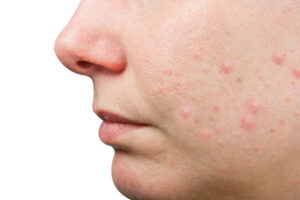
- Acne
- increased hair growth on the face or body
- Hair loss on the head
- Weight gain
- Fatigue
- Mood swings
- Fertility problems
A particular problem is that many women already develop metabolic changes long before obvious symptoms appear.
Why Even Slim Women can be Affected
For a long time, PMOS or Polycystic Ovary Syndrome was primarily considered a condition affecting overweight women. However, this picture is increasingly changing. Doctors are now increasingly observing what is known as “Lean PMOS” or “slender PMOS.” In these cases, the affected women often appear slim on the outside, exercise regularly, and in some cases even have regular menstrual cycles—yet hormonal imbalances, ovulation disorders, or fertility problems persist.
This is precisely why this form often goes undiagnosed for a long time. Many women appear healthy on the outside and are therefore not immediately tested for hormonal or metabolic disorders. Yet changes in insulin and hormone metabolism can occur even in women with a normal body weight. Even slender women can develop insulin resistance, which affects the ovaries and disrupts the maturation of egg cells. Additional symptoms such as acne, hair loss, excessive hair growth, fatigue, or difficulty conceiving often occur.
Experts also believe that modern lifestyle factors exacerbate the problem. Chronic stress, lack of sleep, lack of exercise, highly processed foods, and hormone-mimicking environmental chemicals can negatively impact hormone regulation and metabolism. That is why doctors today increasingly emphasize that PMOS cannot be identified solely by body weight, but is a complex hormonal and metabolic disorder that can also affect slim women.
Minor Warning Signs are Often Overlooked
Many women pay particular attention to the timing of their period. However, fertility specialists emphasize that other changes can also provide important clues. Warning signs may include:
- Very heavy or very light bleeding
- Severe menstrual cramps
- Blood clots
- Sudden acne
- Unexplained weight fluctuations
- Fatigue
- Mood swings
- Hair loss
The problem: Many women consider these symptoms “normal” because they have persisted for years. As a result, PMOS often goes undetected for a long time.
Why Stress and Sleep Play a Bigger Role Than Expected
Recent research increasingly shows that hormonal health is closely linked to sleep, stress regulation, and metabolism. Chronic stress, for example, increases cortisol release, which in turn can affect insulin, inflammatory processes, and hormonal balance. Poor sleep also directly affects:
- Blood sugar regulation
- Appetite control
- Ovulation
- Inflammation levels
- Hormone production
Many experts therefore no longer view PMOS in isolation as a mere reproductive disorder, but rather as a complex metabolic condition with effects on the entire body.
Early detection can significantly improve fertility
The good news is: Many PMOS-related fertility problems can be treated or at least significantly improved—especially with early diagnosis. Today, doctors are increasingly relying on holistic treatment approaches. These include:
- Improving insulin sensitivity
- Dietary changes
- Regular exercise
- Weight management
- Stress management
- Improved sleep
- Hormone therapy
- Targeted fertility treatments
Individualized diagnosis is particularly important. Women with a family history of the condition, metabolic issues, or unexplained difficulties conceiving should undergo comprehensive hormonal and metabolic testing—even if their periods are regular.
Why the Perspective on PMOS is Changing
The perspective on PCOS, or polycystic ovary syndrome, has changed significantly in recent years. Previously, the condition was primarily viewed as a gynecological problem associated mainly with irregular periods and ovarian cysts. Today, experts increasingly understand PCOS as a complex hormonal and metabolic disorder that can affect the entire body—including metabolism, insulin regulation, inflammatory processes, and mental health.
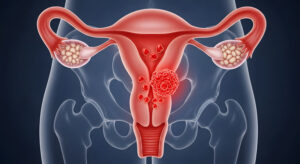
A growing body of research shows that fertility does not depend solely on whether the cycle is regular. Rather, what matters is how well hormonal regulation, ovulation, egg quality, metabolism, and the preparation of the endometrium actually function. Even women with seemingly normal cycles may have hormonal imbalances or subtle ovulation disorders that make pregnancy difficult.
Furthermore, it is becoming clearer how closely PMOS is linked to modern lifestyle factors. Chronic stress, lack of sleep, lack of exercise, diet, and metabolic health influence hormone regulation more significantly than previously assumed. At the same time, doctors are increasingly recognizing that PMOS can present in very different ways. Some women suffer from severe symptoms, while others show barely noticeable complaints and are therefore often diagnosed late.
This new understanding is also changing treatment. Instead of treating only individual symptoms, many specialists today rely on a more holistic approach that takes hormones, metabolism, nutrition, psychological stress, and lifestyle into account together. For many women, this more nuanced understanding could be the key to finally better classifying and treating long-standing symptoms or unexplained fertility problems in a more targeted manner.
You may also be interested in...
-

Polycystic ovary syndrome is a condition that researchers loosely define as a hormonal imbalance, and…
-
PCOS, polycystic ovary syndrome, is a hormonal disorder that is caused when a woman’s body…
-
A plant known as spearmint can significantly affect female fertility hormones and help against diseases…