During IVF treatment, doctors use ultrasound scans to monitor the size of the follicles – small sacs in the ovaries that contain eggs – and to decide when to administer a hormone injection known a...
AI Could Improve the Success of IVF Treatment


During IVF treatment, doctors use ultrasound scans to monitor the size of the follicles – small sacs in the ovaries that contain eggs – and to decide when to administer a hormone injection known a...

A study led by researchers from the Leverhulme Centre for Demographic Science at the University of Oxford and the University of Iceland examines how genetic variation can explain differences in reprod...
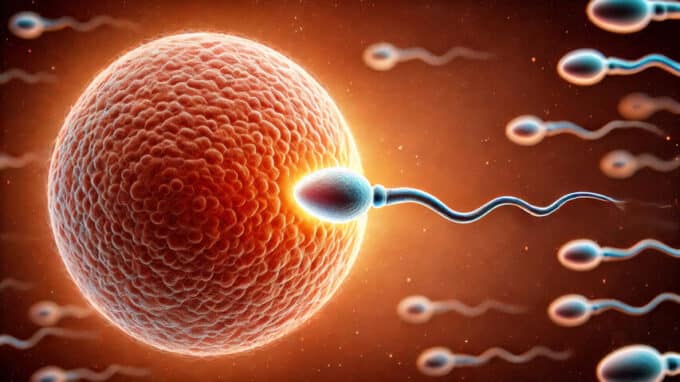
A recent study conducted on threadworms concludes that a common plastic component causes breaks in the DNA strands, resulting in egg cells with the wrong number of chromosomes. Monica Colaiácovo of H...
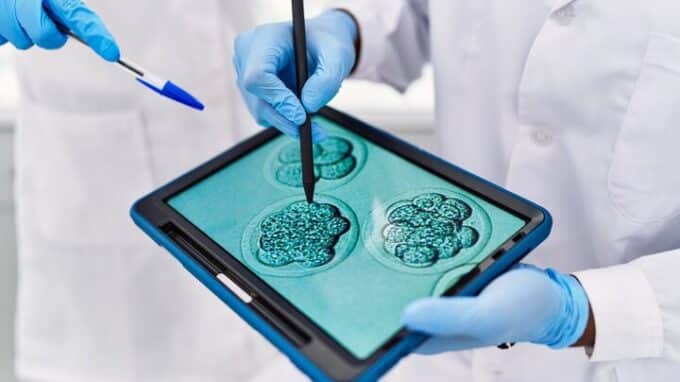
Three out of four U.S. adults favor the use of new technologies that estimate the likelihood that a future child will develop one of several diseases influenced by genes – such as diabetes, heart di...
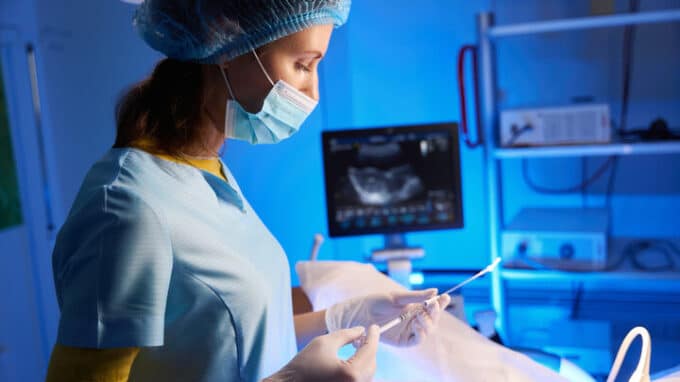
Traditionally, embryos are transferred to the uterus three days after fertilization during IVF treatment. Due to improvements in laboratory techniques, this is now also possible after five days. Half ...
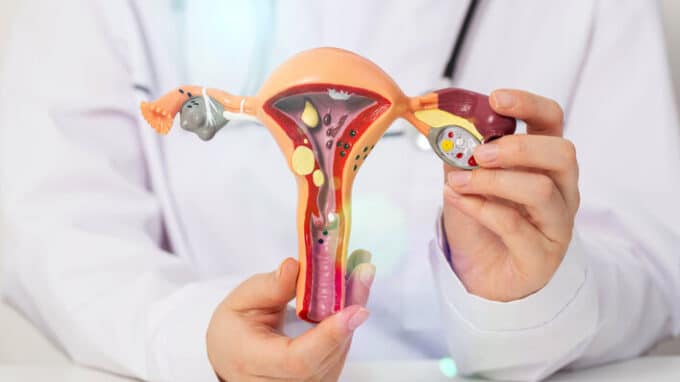
The idea of allowing egg cells to mature in the ovary to produce offspring has been implemented in various ways. One of these methods, ovarian transplantation, is a relatively simple procedure for obt...

Increasing ketones in the blood through a keto diet or supplements may help to get irregular menstrual cycles back on track or even restart a period that seems to have stopped for good, new research s...

A new artificial intelligence-based system can accurately determine the chromosomal status of in vitro fertilized (IVF) embryos based on time-lapse video images of the embryos and the mother's age, ac...